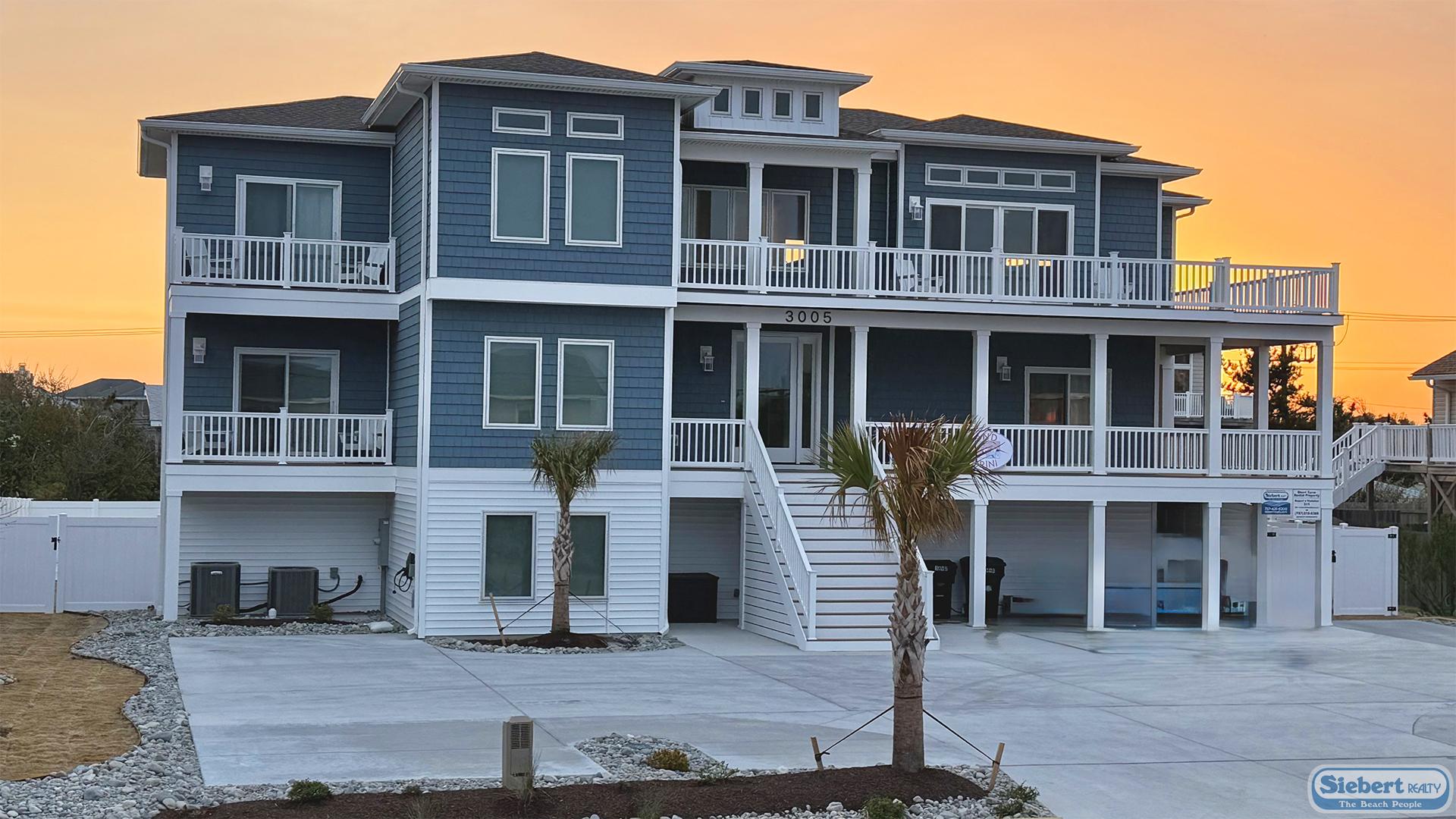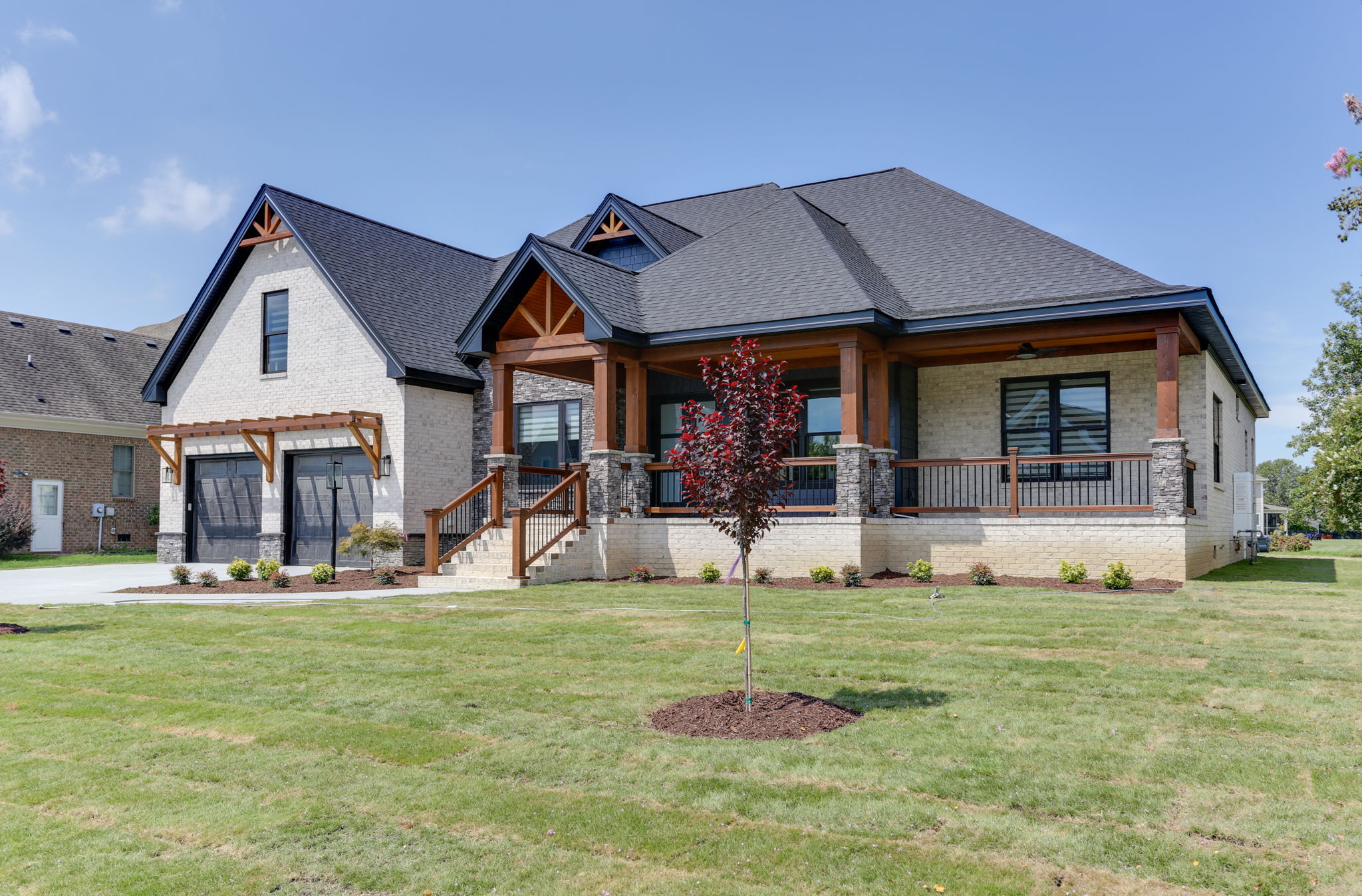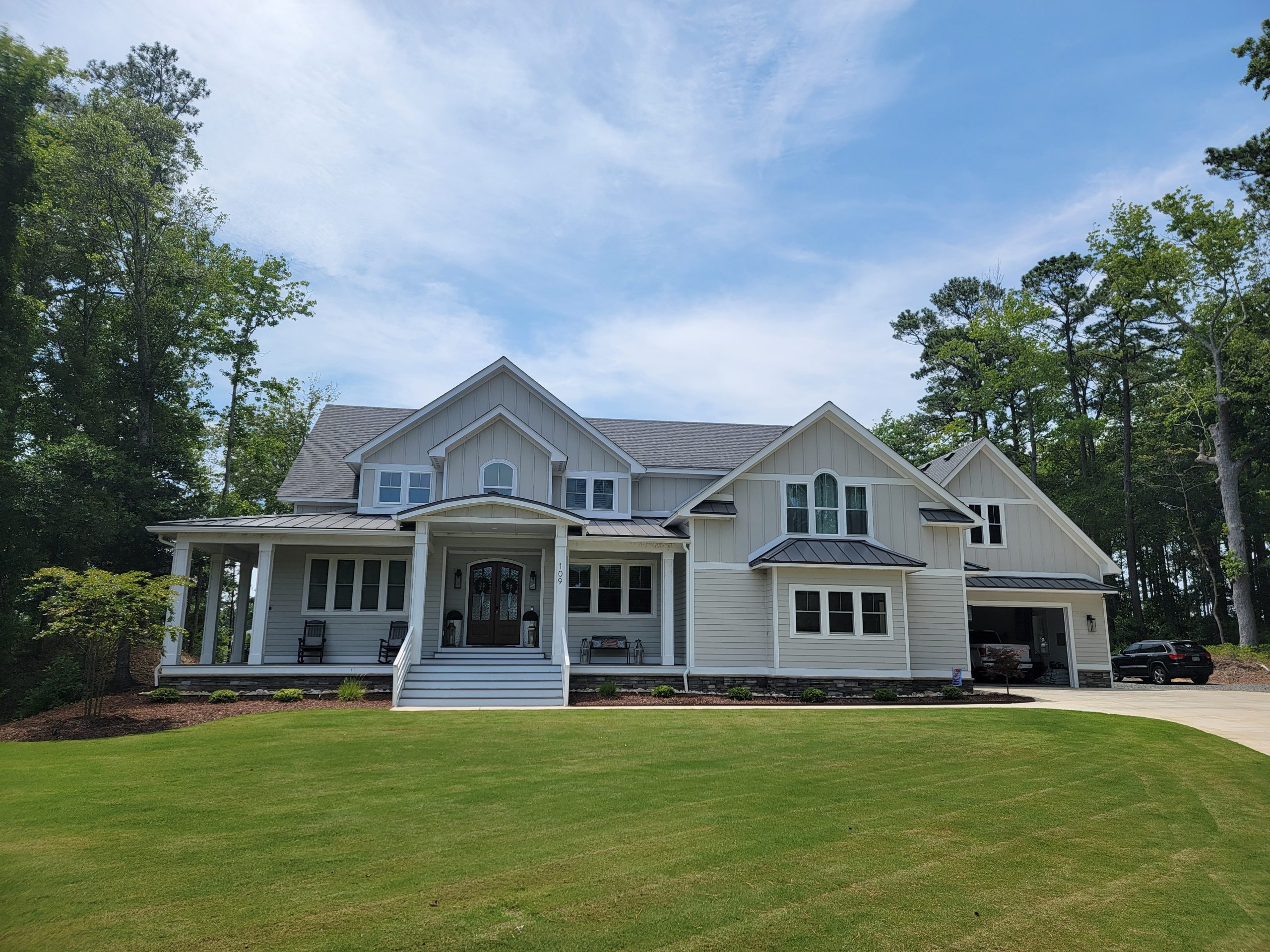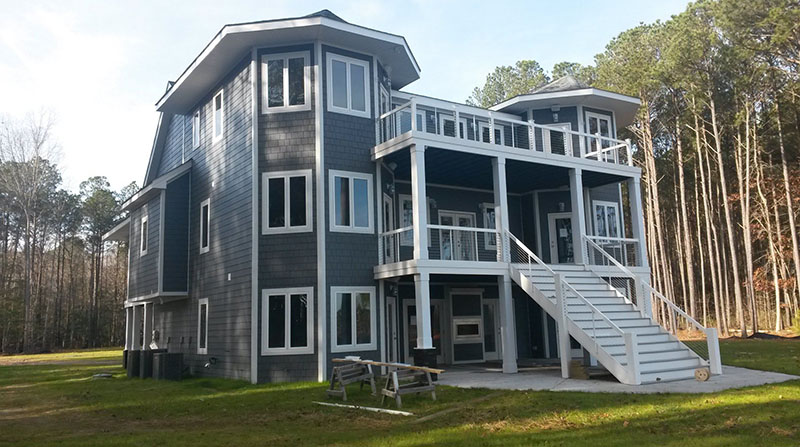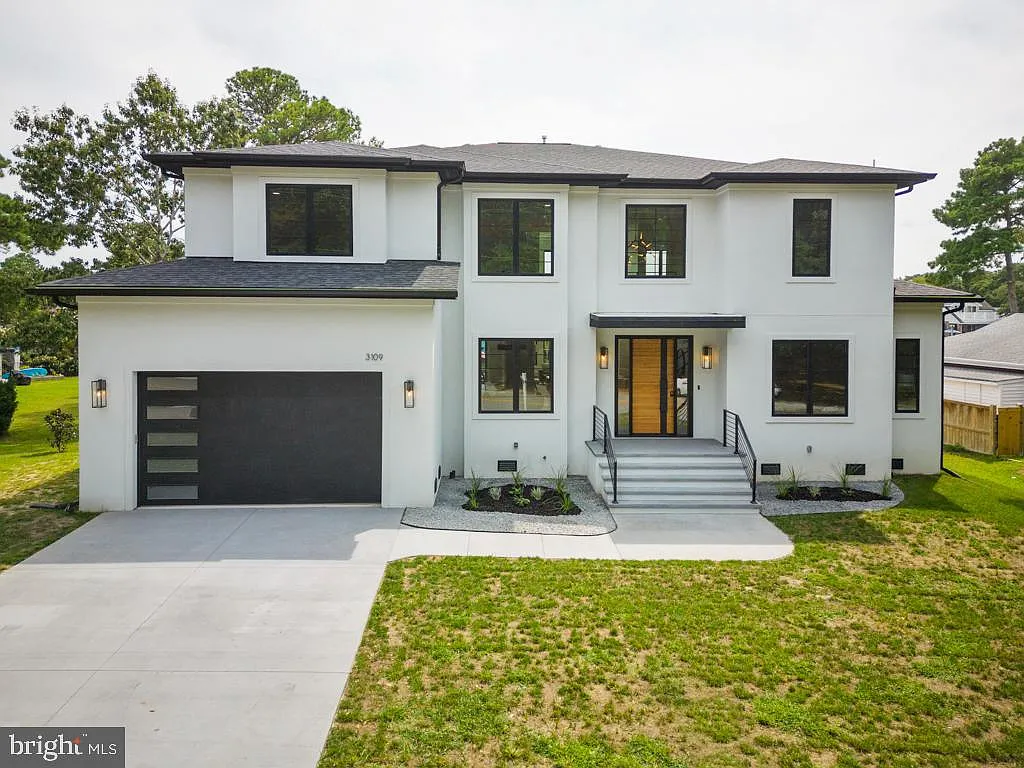
Lynnhaven House
The Lynnhaven House https://houseplansbydesign.com/wp-content/uploads/2025/05/IMG_144669314.mp4

The first step is to obtain a complete, detailed set of house plans. These plans allow banks to evaluate financing and builders to give accurate pricing and scheduling. A well-prepared design saves time, reduces conflicts, and streamlines the construction process.
There are three primary paths to obtain plans acceptable for permit approval:
House Plans by Design is authorized under Virginia law (VA § 54.1-402) to design single- and two-family homes, townhouses, and multifamily dwellings up to three stories, providing a complete design package required for permitting and construction. (See FAQ #5 for current pricing and what’s included.)
Licensed architects under Virginia law (VA § 54.1-400) provide full-service offerings: conceptual design, detailed drawings, code compliance, contract documents, and often construction administration or site observation.
Here are typical cost expectations for architectural firms in Virginia:
Percentage of construction cost: Usually about 10-12% of the total construction cost for a straightforward custom home design in places like Charlottesville; 11-12% has been quoted in places like Virginia Beach. For more complex designs or remodels, this can rise toward 15-20% depending on scope.Hourly rates: For smaller services or parts of a project, expect senior/lead architects in the $150-$250/hr range; less for junior staff or interns. Virginia tends to be near or somewhat below top metro areas, depending on locality. (Data aligns with U.S. norms but with some modest adjustment for cost of living in Virginia.)
These are pre-designed plans you can purchase online, typically lower cost. However, they will require substantial modifications to satisfy local Virginia code, site constraints, or your personal preferences. (See FAQ #3 for more on e-Plans.)
A generic set of e-Plans purchased online can look attractive because of the low cost. However, these plans are designed for broad markets, using generic geographic criteria that often don’t reflect local requirements. They are mass-produced products, not easily or inexpensively customized.
Because e-Plans are typically delivered in PDF or basic CAD format, House Plans by Design cannot directly import them into our Chief Architect 3D design software. Without that integration, we cannot apply our structural evaluation process or generate the complete, code-compliant design package required for a building permit. Any e-Plan, sketch, or inspiration drawing you provide must be manually recreated in our software to ensure full functionality and accuracy.
That said, e-Plans are not without value. They can be useful in the pre-planning stage—for discussions with your builder, subcontractors (such as cabinetmakers), loan officers, or interior designers. They may also provide design inspiration or highlight architectural details that might otherwise be overlooked.
For these reasons, House Plans by Design cannot offer significant discounts when e-Plans are provided, unless they were originally created using Chief Architect. In addition, my research has shown that hiring a local Architect or Professional Engineer (PE) to modify and stamp e-Plans—if you can find one willing—can involve substantial costs and delays.
We strongly encourage you to consult your local Building Official before purchasing e-Plans, as many jurisdictions require review and a professional stamp to ensure compliance with state and local codes.
Not long ago, many homeowners and builders could draft and submit house plans with a reasonable expectation of receiving a permit. Times have changed. Today, City Building Officials and Plan Reviewers are highly trained technical experts with the responsibility of ensuring every home is designed and built to exacting standards.
Much of this shift is driven by the insurance industry and evolving codes designed to mitigate risks such as high winds, flooding, and structural failures. Building Officials now require:
Full compliance with local and state building codes
Accurate depiction of engineered lumber requirements
Documented wall bracing systems and supporting calculations
Properly designed foundations, walls, and roof systems
As a result, the level of detail required in modern house plans has increased significantly. The cost of design services is therefore directly tied to the time and expertise needed to integrate these complex requirements into a set of permit-ready, buildable plans.
The cost of a custom home design package depends on the size, complexity, and overall scope of the project. Because every home is unique, House Plans by Design prepares proposals on a fixed-fee basis after first developing a clear understanding of your goals, design preferences, approximate square footage, and construction requirements.
The first step in this process is the development of an Initial Design Concept (IDC). The IDC is provided at no cost as part of the preliminary proposal process. Its purpose is to help define the general scope, square footage, design direction, and major project assumptions so House Plans by Design can prepare a clear fixed-fee proposal before you commit to the full design package.
The IDC helps document important project criteria, including:
As a general planning guide, many custom home design packages by House Plans by Design fall in the range of approximately $1 to $2 per square foot, depending on the size, complexity, structural requirements, and overall scope of the project. In most cases, the total design fee is less than 1% of the overall construction cost. Once the scope of work is better defined through the IDC process, a formal fixed-fee proposal can usually be prepared quickly.
This fixed-fee approach is preferred by many clients because it provides clarity early in the process and avoids the uncertainty of open-ended hourly billing often used by architects and some design firms. My goal is to provide a detailed, construction-focused drawing package at a fair and predictable cost.
A typical custom home design package may include:
The exact contents of the final design package will vary depending on the project scope, permitting requirements, and level of structural coordination needed.
If you are considering a new custom home, the best way to begin is by completing the preliminary questionnaire and reviewing the Design Process. Once your project goals are clearly defined, House Plans by Design can prepare a formal proposal tailored specifically to your home.
Most custom design packages are completed within 6–8 weeks. This is a very efficient timeline given the level of detail required to conceptualize and structurally design a remodel or new home, as well as the collaboration with clients and material suppliers.
It’s important to note that client responsiveness—how quickly revisions are reviewed and approved—can significantly affect the overall project schedule.
Proposal & Contract Agreement
Concept Design & Functional Layout
Floor Plan Development & Approval
Exterior Plan Development & Approval
3D Model Review & Agreement
Structural Design
Floor, wall, and roof framing
Engineered lumber design/evaluation (beams, I-joists, trusses, etc.)
Foundation design
Wall and wind bracing design
Generate Final Plans
Quality Assurance Review
Homeowner Acceptance of Completed Package
As part of the process, we create a detailed 3D model of your home that can be viewed on a personal computer or smartphone. This powerful tool allows you to visualize both the interior and exterior of your design before construction begins—reducing surprises and ensuring your vision is fully realized.
Builder Relationships
House Plans by Design does not work exclusively with a single builder. However, we maintain strong relationships with several reputable builders in the area and are happy to make recommendations. Builders are typically engaged once the design is complete so they can prepare accurate cost estimates, finalize schedules, and set expectations with the homeowner.
Interior Designers
Interior designers are generally brought in separately, often alongside or after the builder, to help guide material selections (flooring, cabinetry, fixtures, finishes). Their input helps ensure that the homeowner’s style and functional needs are well-integrated into the construction process.
Optional Early Builder Involvement
As noted in FAQ #1, involving a builder as a consultant during the design phase can be valuable. Their insight into costs, constructability, and best practices can help align the design with the budget and streamline the overall project.
Within Virginia
House Plans by Design, LLC is fully authorized to provide residential design services in all cities and counties across Virginia. This includes single-family homes, townhouses, and multifamily dwellings up to three stories, as permitted under Virginia law.
Outside Virginia
We are also able to provide design services in other states, with a particular focus on North Carolina. Because licensing and code requirements vary, certain jurisdictions—especially those in high-wind coastal regions—may require a Professional Engineer (PE) licensed in that state to review and stamp the plans before they can be submitted for permit approval. We strongly recommend consulting your local Building Official to confirm whether a PE stamp will be required. (This applies to any Residential Home Designer, not just House Plans by Design.)
Practical Considerations
In short, while we can prepare your design package regardless of location, additional coordination with a local PE or Architect may be necessary to ensure compliance and secure a building permit.

The Lynnhaven House https://houseplansbydesign.com/wp-content/uploads/2025/05/IMG_144669314.mp4